

What Constitutes a Good Credit Score?
Being turned down for a car loan due to a poor credit score can be frustrating. A good credit score signifies financial reliability, making you an attractive borrower. Typically, a FICO score above 670 is considered good, while above 800 is excellent. With a good score, you’re more likely to secure loans and credit cards with favorable terms, such as lower interest rates. Beyond credit, it can also affect rental applications, insurance premiums, and job opportunities. To maintain a good score, pay bills on time, keep credit card balances low, and avoid opening multiple new accounts rapidly.
What is a Good Credit Score?

Comparing your credit score to marks in 12th board exams, a higher score increases your chances of securing a loan, akin to how better grades enhance college admission prospects. While there’s no universal threshold for a good credit score, typically a score above 750 indicates creditworthiness. This reflects timely payments, low credit utilization, and a strong credit history. With a good score, accessing various loans and credit cards on favorable terms becomes feasible. However, determining the ideal score for you depends on your financial goals and the lender’s criteria.
Credit Score Range of all Credit Bureaus
Absolutely, it’s crucial to recognize that different credit bureaus employ varying methodologies to calculate credit scores. In India, notable bureaus include CIBIL Transunion, CRIF, Experian, and Equifax. Each bureau defines its own credit score range, leading to differences in what constitutes a good credit score. Understanding these distinctions is essential for effectively managing your credit profile. Let’s explore the optimal credit score ranges for each bureau to gain clarity on your creditworthiness and financial standing.
Experian
Experian stands out as one of the leading credit bureau agencies, trusted by numerous lenders and financial institutions. Operating on a scale from 300 to 900, Experian’s credit score evaluation system deems a score surpassing 750 as exemplary. Achieving such a rating signals robust creditworthiness, increasing the likelihood of securing favorable loan terms and financial opportunities. Understanding Experian’s credit scoring standards empowers individuals to proactively manage their credit profiles and make informed financial decisions.
| Credit Score Range | Rating |
| 300 – 500 | Very Poor |
| 501 – 650 | Poor |
| 651 – 750 | Average |
| 751 – 850 | Good |
| 851 – 900 | Excellent |
Transunion CIBIL

TransUnion CIBIL holds significant prominence as a widely utilized credit bureau for evaluating creditworthiness. Operating on a scale mirroring Experian, ranging from 300 to 900, a credit score exceeding 649 is deemed favorable. Such a rating signifies responsible financial behavior, enhancing accessibility to various credit products.
| Credit Score Range | Rating |
| 300-499 | Poor |
| 500-649 | Average |
| 650-749 | Good |
| 750-900 | Excellent |
CRIF Highmark
CRIF Highmark, an esteemed credit bureau registered in India, provides credit scores ranging from 300 to 900. Within this spectrum, a credit score exceeding 700 is regarded as commendable. This signifies sound financial management and enhances eligibility for various credit products.
| Credit Score Range | Rating |
| 300-549 | Low Credit Score |
| 550-649 | Medium Credit Score |
| 650-749 | High Credit Score |
| 750-900 | Excellent Credit Score |
What are the Advantages of a Good Credit Score?
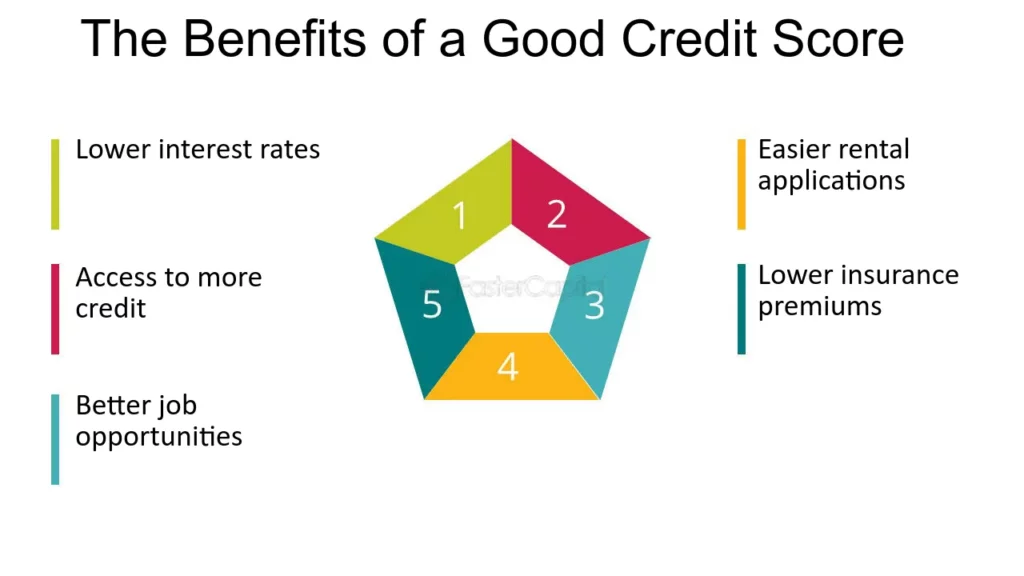
Having an excellent credit score unlocks numerous benefits, enhancing your financial opportunities and saving you money in the long run.
- Lower Interest Rates: A stellar credit score often translates to qualifying for loans at lower interest rates. This proves advantageous, particularly for significant loans like mortgages and home loans, where even a slight decrease in interest rates can lead to substantial savings over time.
- Easier Loan Approval: With a good credit score, obtaining approval for various loans becomes smoother. Whether you’re applying for mortgages, auto loans, or personal loans, lenders are more inclined to approve your applications promptly. Additionally, credit card applications are likely to be approved without additional formalities.
- Higher Credit Limits: Your credit score influences the amount you can borrow. Therefore, a high credit score may result in approval for higher loan amounts or credit limits. This flexibility provides greater financial freedom and access to additional funds when needed.
- Negotiating Power: Armed with a good credit score, you have leverage to negotiate with lenders during the loan application process. Banks and financial institutions are more receptive to borrowers with solid credit histories, allowing you to negotiate for lower interest rates or better loan terms.
- Access to Premium Credit Cards: A good credit score may qualify you for premium credit cards offering enhanced rewards programs, such as cash back, travel incentives, and other exclusive benefits. These premium cards provide added value and perks, rewarding responsible credit management.
How to Maintain a Good Credit Score?
Maintaining a good credit score is crucial for demonstrating your creditworthiness and accessing credit easily. Here are essential steps to preserve a commendable credit rating:
- Make On-Time Payments: Timely payment of loan EMIs and credit card bills is paramount for sustaining a good credit score. Defaulting on payments can significantly lower your credit score.
- Maintain Low Credit Utilization: Monitor your credit utilization ratio, which reflects the proportion of your available credit you’re utilizing. Aim to utilize no more than 30% of your credit card limit to ensure a healthy credit score.
- Avoid Frequent Credit Applications: Multiple credit inquiries within a short timeframe, known as hard inquiries, can signal desperation for credit and potentially lower your credit score. Minimize credit card or loan applications to preserve your credit score.
- Pay Credit Card Bills in Full: Partial payments for credit card bills lead to higher interest charges and negatively impact your credit score. Paying the full credit card bill each month is advisable to avoid debt accumulation and save on interest expenses.
- Regularly Check Your Credit Report: Monitor your credit report frequently to ensure its accuracy and health. Regular reviews enable timely detection and correction of errors in personal information, loan details, and payment history, contributing to a more accurate credit report.
Maintaining a good credit score is vital for accessing credit easily and securing favorable terms. By making on-time payments, managing credit utilization, limiting credit inquiries, paying credit card bills in full, and regularly monitoring your credit report, you can ensure financial stability and maximize your creditworthiness. Like this post? Don’t forget to check out our other tips and stories in our Latest section