
Safety First: Precautions and Preparedness for Travel Emergencies
Prioritizing safety is paramount when embarking on travel adventures. Unexpected emergencies can arise, ranging from minor inconveniences to serious crises. Therefore, understanding precautions and preparedness measures is essential. By equipping oneself with knowledge and resources, travelers can mitigate risks and respond effectively to unforeseen circumstances. This guide explores strategies for staying safe during travel, offering practical advice on how to prepare for emergencies and navigate potential challenges. From packing essentials to staying informed about local conditions, being proactive ensures a smooth and secure journey, allowing travelers to focus on enjoying their explorations with peace of mind.
Research and Plan Ahead
Conduct extensive research on your destination to gain a comprehensive understanding of potential risks and challenges. Explore reliable sources such as government travel advisories, health organizations, and travel forums to gather up-to-date information on safety, health precautions, and local laws. Consider factors like political stability, weather patterns, and cultural customs that could impact your trip. Plan your itinerary with flexibility, allowing for unforeseen circumstances like flight delays or sudden changes in weather. Take note of emergency contact numbers, including local police, medical services, and your country’s embassy or consulate, and store them in your phone or travel documents for quick access.
Pack a Travel Emergency Kit
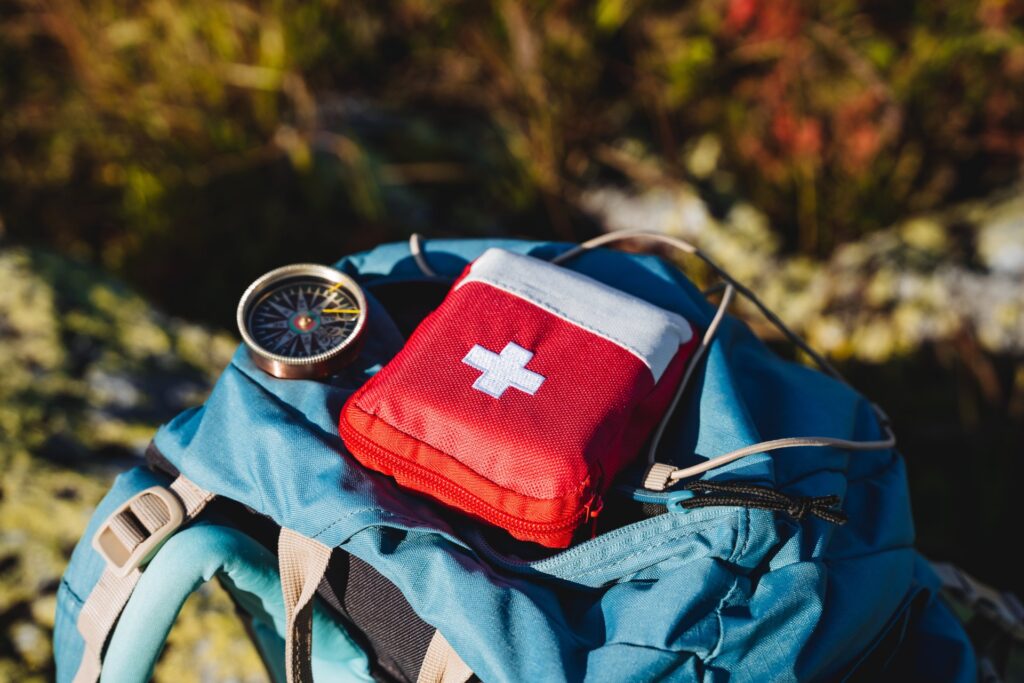
Prepare a well-stocked emergency kit tailored to your specific destination and activities. Include essential items such as a first aid kit containing bandages, antiseptic wipes, pain relievers, and any necessary prescription medications. Pack a flashlight with extra batteries, a multi-tool or Swiss Army knife, a small supply of non-perishable snacks, and a portable water purification system if traveling to remote areas. Carry copies of important documents like your passport, travel insurance policy, and emergency contact information in a waterproof pouch. Customize your kit based on the activities you’ll be engaging in and the potential risks associated with your destination.
Stay Informed
Stay updated on the latest developments and advisories related to your destination by regularly checking reputable news sources, official government websites, and travel apps. Subscribe to alerts from your government’s travel advisory service to receive real-time updates on security threats, health risks, and travel restrictions. Monitor weather forecasts and natural disaster warnings for your destination and nearby areas. Research local customs, traditions, and cultural sensitivities to ensure respectful interactions with residents. Utilize online travel forums and social media groups to seek advice and recommendations from fellow travelers who have recently visited your destination.
Share Your Itinerary
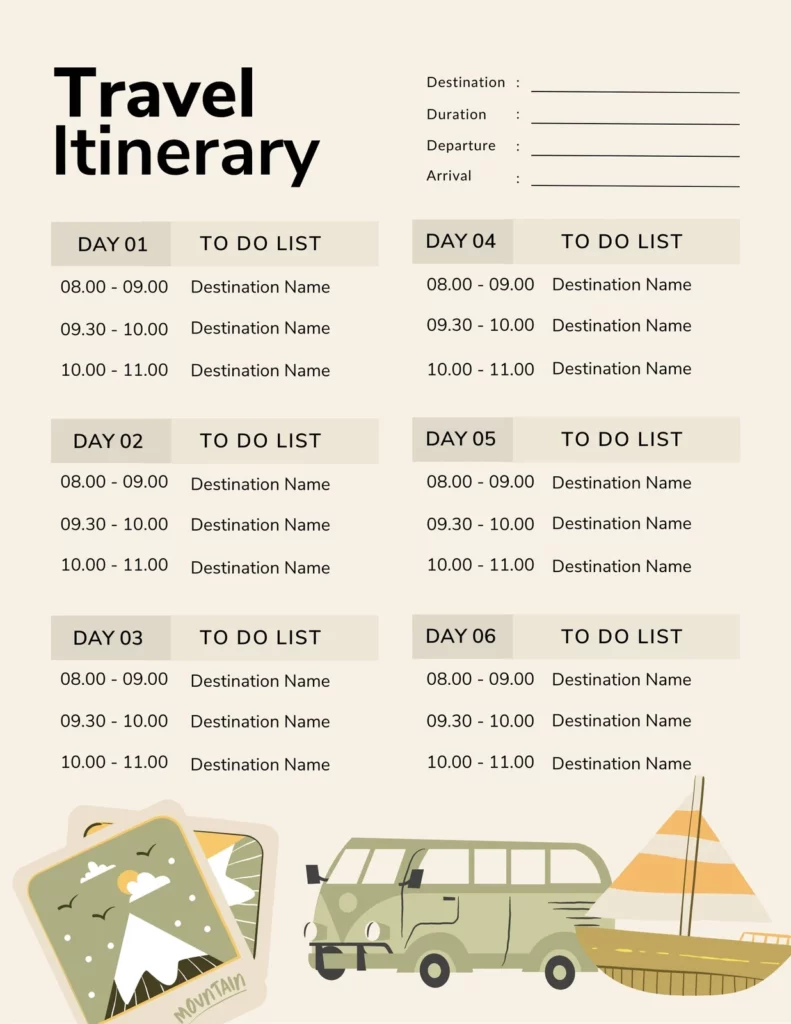
Inform a trusted friend or family member of your travel plans, including your intended itinerary, accommodation details, transportation arrangements, and emergency contact information. Provide them with copies of your passport, travel insurance policy, and any relevant medical documents. Regularly check in with your designated contact during your trip to update them on your whereabouts and well-being. Establish a communication plan outlining how you will stay in touch in case of emergencies or unexpected changes to your itinerary. Consider using location-sharing apps or setting up designated check-in times to ensure timely communication and peace of mind for both parties.
Stay Vigilant and Aware
Maintain a high level of situational awareness throughout your journey, especially in unfamiliar or crowded environments. Trust your instincts and be cautious when interacting with strangers or accepting offers of assistance. Avoid displaying signs of wealth or carrying large amounts of cash in public places. Keep your belongings secure at all times, using anti-theft measures like money belts, secure locks, and RFID-blocking wallets. Be mindful of common scams targeting tourists, such as fake taxis, pickpocketing, and distraction techniques. Stay informed about local safety tips and cultural norms to minimize the risk of encountering potentially dangerous situations.
Know Emergency Procedures
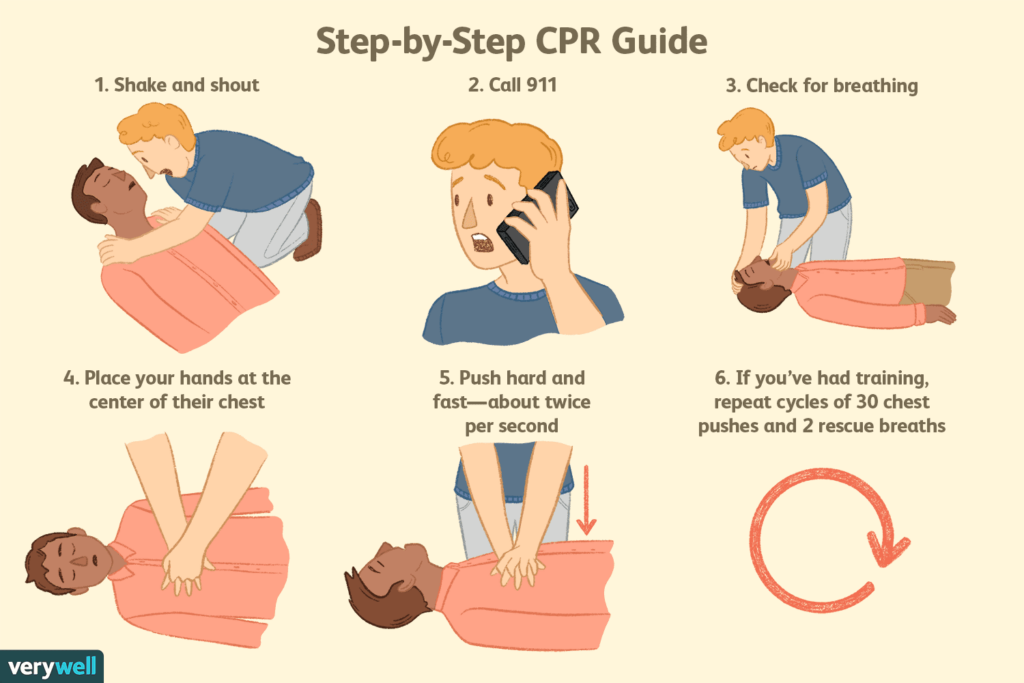
Familiarize yourself with emergency procedures for a variety of potential scenarios, including medical emergencies, natural disasters, political unrest, and transportation disruptions. Identify the locations of emergency exits, evacuation routes, and designated safe zones in your accommodation and other public spaces. Learn basic first aid techniques, including CPR and wound care, and consider taking a certified first aid course before your trip. Keep a list of important phrases in the local language for communication with locals and emergency responders. Stay calm and follow instructions from local authorities or embassy officials in the event of an emergency, prioritizing your safety and well-being above all else.
Prioritizing safety through thorough preparation and proactive measures ensures a smoother travel experience, allowing for greater peace of mind and enjoyment of the journey. By staying informed, staying vigilant, and knowing how to respond to emergencies, travelers can navigate unforeseen challenges with confidence and resilience. Like this post? Don’t forget to check out our other travel tips and stories in our Latest section