
Electric Blankets vs. Traditional Quilts: Which Keeps You Warmer This Winter?
As the winter chill sets in, the debate between electric blankets and traditional quilts becomes a hot topic for many. Both options promise cozy warmth, but which one is truly the best choice for keeping you comfortable during those frosty nights? Let’s compare electric blankets and traditional quilts across key factors like warmth, convenience, cost, and safety to help you decide on your ultimate winter companion.
Warmth and Comfort
Electric Blankets:
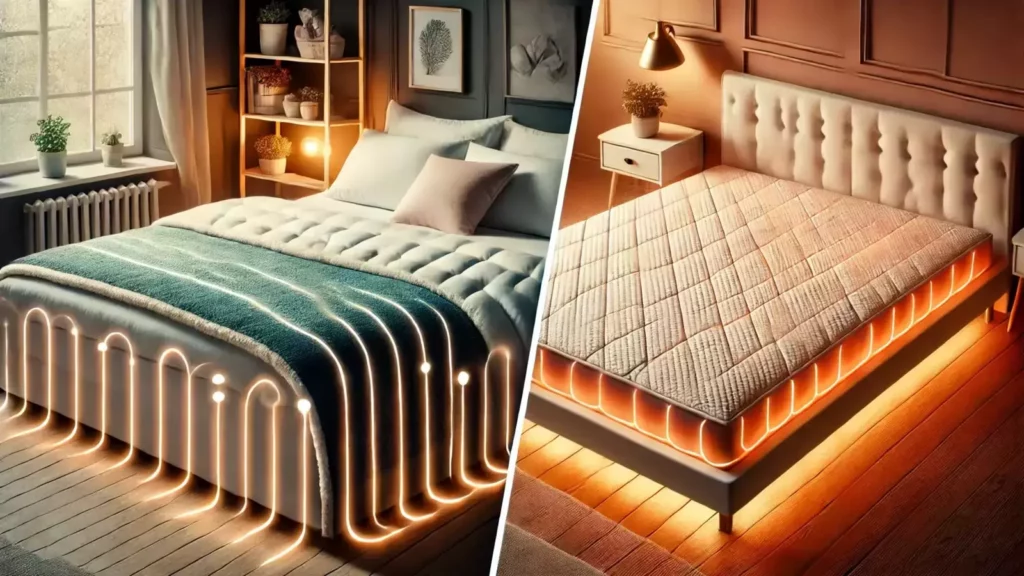
Electric blankets deliver targeted, adjustable warmth at the touch of a button. With heating elements embedded inside, they allow you to set your preferred temperature and maintain consistent heat throughout the night. For those who get cold easily, the rapid warming feature is a major plus.
Traditional Quilts:
Quilts rely on insulation to trap body heat, providing natural warmth. Made from materials like wool, cotton, or down, they are breathable and can feel cozier to some. However, they may take longer to warm up and may not be sufficient for extremely cold temperatures without layering.
Convenience and Usage
Electric Blankets:
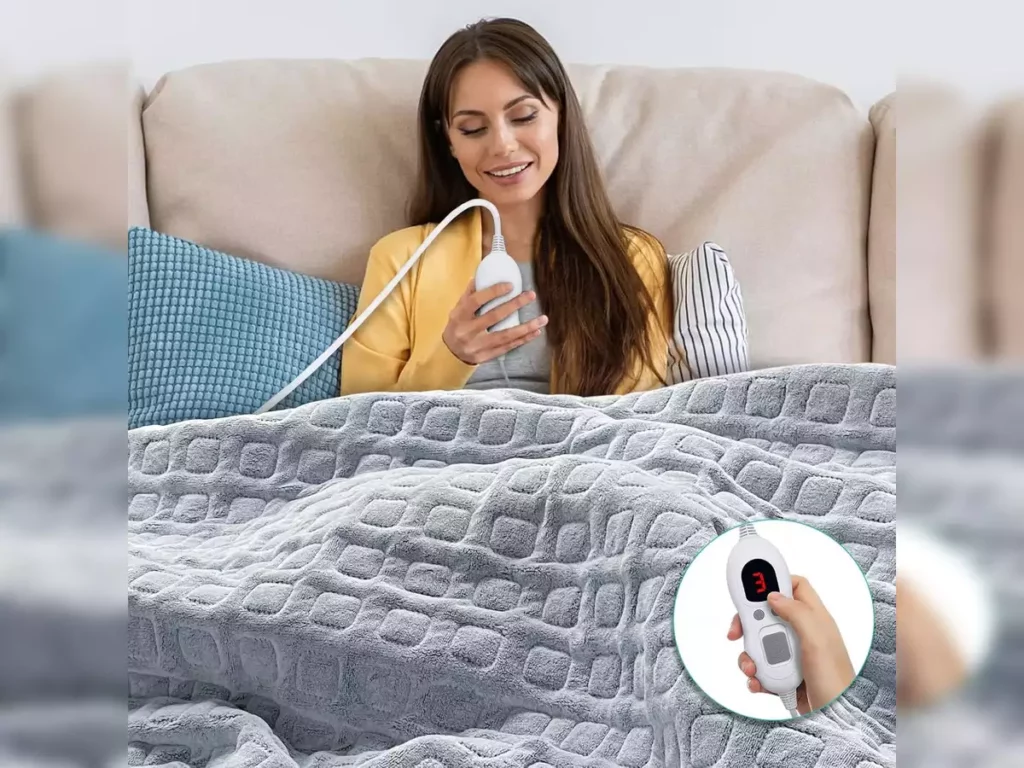
Modern electric blankets are easy to use. Simply plug them in, adjust the settings, and enjoy instant warmth. They’re ideal for preheating your bed or keeping specific areas warm. However, they require electricity, limiting their portability compared to quilts.
Traditional Quilts:
Quilts are versatile and can be used anywhere—on the couch, bed, or even outdoors. They don’t require power, making them a hassle-free option for those who prefer low-maintenance solutions.
Cost and Energy Efficiency
Electric Blankets:
While the upfront cost of electric blankets may be higher, they’re energy-efficient when used correctly. They allow you to lower your room’s thermostat, reducing heating costs. However, the price varies based on features like heat settings and safety mechanisms.
Traditional Quilts:
Quilts come in a wide range of prices, depending on the material and craftsmanship. While they don’t directly impact energy bills, adding layers can increase the cost over time if you need more for adequate warmth.
Safety and Maintenance
Electric Blankets:
Modern electric blankets come with safety features like overheat protection and auto shut-off. However, improper use can pose risks, such as burns or fire hazards. Maintenance requires careful handling to avoid damaging the wiring, and most are not machine-washable.
Traditional Quilts:
Quilts are generally safer as they don’t involve electricity. They are easier to clean, with many being machine-washable. However, certain materials like wool may need special care.
Eco-Friendliness

Electric Blankets:
Electric blankets use energy, which may not be the most environmentally friendly option depending on your power source. However, using them can reduce the need for space heaters or central heating, potentially offsetting some environmental impact.
Traditional Quilts:
Quilts, especially those made from natural and sustainable materials, are a greener choice. They don’t rely on electricity and have a lower carbon footprint.
Which Should You Choose?
- Opt for electric blankets if you want quick, adjustable warmth and don’t mind a bit of technology in your bedtime routine. They’re great for preheating your bed or staying cozy during the coldest nights.
- Choose traditional quilts if you value natural, breathable warmth, portability, and low-maintenance comfort. They’re perfect for those who enjoy a classic and timeless solution to winter chills.
Both electric blankets and traditional quilts have their advantages, and the choice ultimately depends on your preferences, lifestyle, and budget. For tech-savvy individuals seeking maximum control, electric blankets are a fantastic option. On the other hand, if you appreciate the charm and simplicity of traditional bedding, quilts remain a reliable choice.
Whatever you choose, staying warm and comfortable this winter is what matters most. So, snuggle up and enjoy the cozy season your way! Like this post? Don’t forget to check out our other short stories in our Technology section.