
Can AI avatars replace Human Influencers?
Influencer marketing has become a dominant force in digital advertising, with human influencers shaping consumer opinions, promoting brands, and engaging audiences on social media. However, the rise of AI avatars is changing the landscape. Virtual influencers like Lil Miquela, Shudu, and Imma are gaining millions of followers, collaborating with brands, and challenging the traditional influencer model. But can AI avatars truly replace human influencers? Let’s explore this in depth.
The Rise of AI Avatars
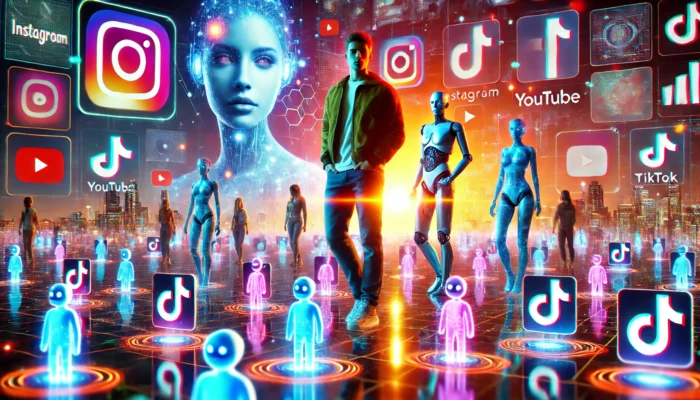
AI avatars are digital personalities created using artificial intelligence, CGI (computer-generated imagery), and deep learning. They are programmed to engage with audiences, share content, and even develop unique personalities. Companies and content creators use these virtual influencers to promote products, interact with followers, and maintain a consistent brand image.
Some of the most well-known AI influencers include:
- Lil Miquela – A virtual influencer with over 2.5 million Instagram followers, collaborating with brands like Prada and Calvin Klein.
- Shudu – The first AI supermodel, created by photographer Cameron-James Wilson.
- Imma – A Japanese virtual model known for her realistic appearance and fashion collaborations.
These AI-driven influencers have demonstrated significant success, raising questions about their potential to replace human influencers.
Advantages of AI Avatars Over Human Influencers
1. Complete Brand Control
AI avatars offer brands full creative control over their image, messaging, and interactions. Unlike human influencers, who may have personal opinions, scandals, or unpredictable behaviors, AI avatars remain on-brand at all times.
2. Consistency and Availability
AI influencers do not require breaks, sleep, or vacations. They can post content 24/7, engage with followers in multiple languages, and be present across different platforms without burnout.
3. Cost-Effective in the Long Run
Although the initial investment in developing an AI avatar can be high, it eliminates ongoing costs associated with human influencers, such as appearance fees, travel expenses, and contractual negotiations.
4. No Scandals or Controversies
Human influencers can damage a brand’s reputation through misconduct or controversial statements. AI avatars are carefully programmed to avoid such risks, making them a safer alternative for brands.
5. Customizable for Specific Audiences
AI influencers can be tailored to specific demographics, adjusting their appearance, voice, and personality to resonate with different audiences. This flexibility allows brands to create highly targeted marketing campaigns.
Challenges of AI Avatars as Influencers
1. Lack of Authenticity
One of the biggest advantages human influencers have is authenticity. People connect with real experiences, emotions, and personal stories. AI influencers, no matter how realistic, lack true emotions and life experiences, which can make them feel artificial.
2. Limited Human Connection
Influencer marketing relies on trust and relatability. Human influencers build relationships with their audiences through real-life interactions, struggles, and personal growth. AI influencers, being programmed, may struggle to establish the same level of emotional connection.
3. Ethical Concerns

The rise of AI influencers raises ethical questions, such as transparency in disclosing their artificial nature. Audiences might feel deceived if they believe an AI avatar is a real person. Additionally, the use of AI avatars in advertising could lead to job losses for human influencers.
4. Legal and Copyright Issues
Since AI avatars are digital creations, issues related to copyright ownership, liability, and intellectual property rights can arise. If an AI influencer makes a misleading claim, determining accountability can be complex.
5. Limited Creativity and Adaptability
Human influencers bring spontaneity, creativity, and real-world experiences to their content. AI avatars rely on pre-programmed responses and data-driven interactions, which may limit their ability to adapt to trends or unpredictable situations.
The Future: A Hybrid Model of AI and Human Influencers?
While AI avatars have clear advantages, they are unlikely to replace human influencers entirely. Instead, brands may adopt a hybrid model where AI influencers complement human influencers. Some possible scenarios include:
- AI avatars assisting human influencers in content creation and engagement.
- Brands using AI influencers for repetitive tasks like responding to common customer queries while human influencers focus on storytelling and personal engagement.
- AI influencers collaborating with human influencers to enhance brand campaigns with a mix of authenticity and futuristic appeal.
AI avatars are revolutionizing influencer marketing, offering consistency, control, and scalability. However, they lack the authenticity, emotional connection, and creative adaptability that human influencers bring. While AI influencers will continue to grow, they are more likely to complement rather than replace human influencers entirely. The future of influencer marketing will likely be a blend of human creativity and AI efficiency, offering brands the best of both worlds.
Would you follow an AI influencer, or do you prefer human influencers? Let us know in the comments! Like this post? Don’t forget to check out our other short stories in our Technology section.